
Nano Banana Pro —Gemini 3 Pro Image, Built for Briefs
Nano Banana Pro handles the jobs cheaper models fumble: long multi-step prompts inside a 64K context window, compositions built from up to 8 reference images, search-grounded rendering of real subjects, and 4K output. From 8 credits.
Nano Banana Pro Gallery —When Detail Carries the Job
Images created with Nano Banana Pro in our editor: labelled scientific scenes, technical cutaways, dense product shelves, and illustrated maps.
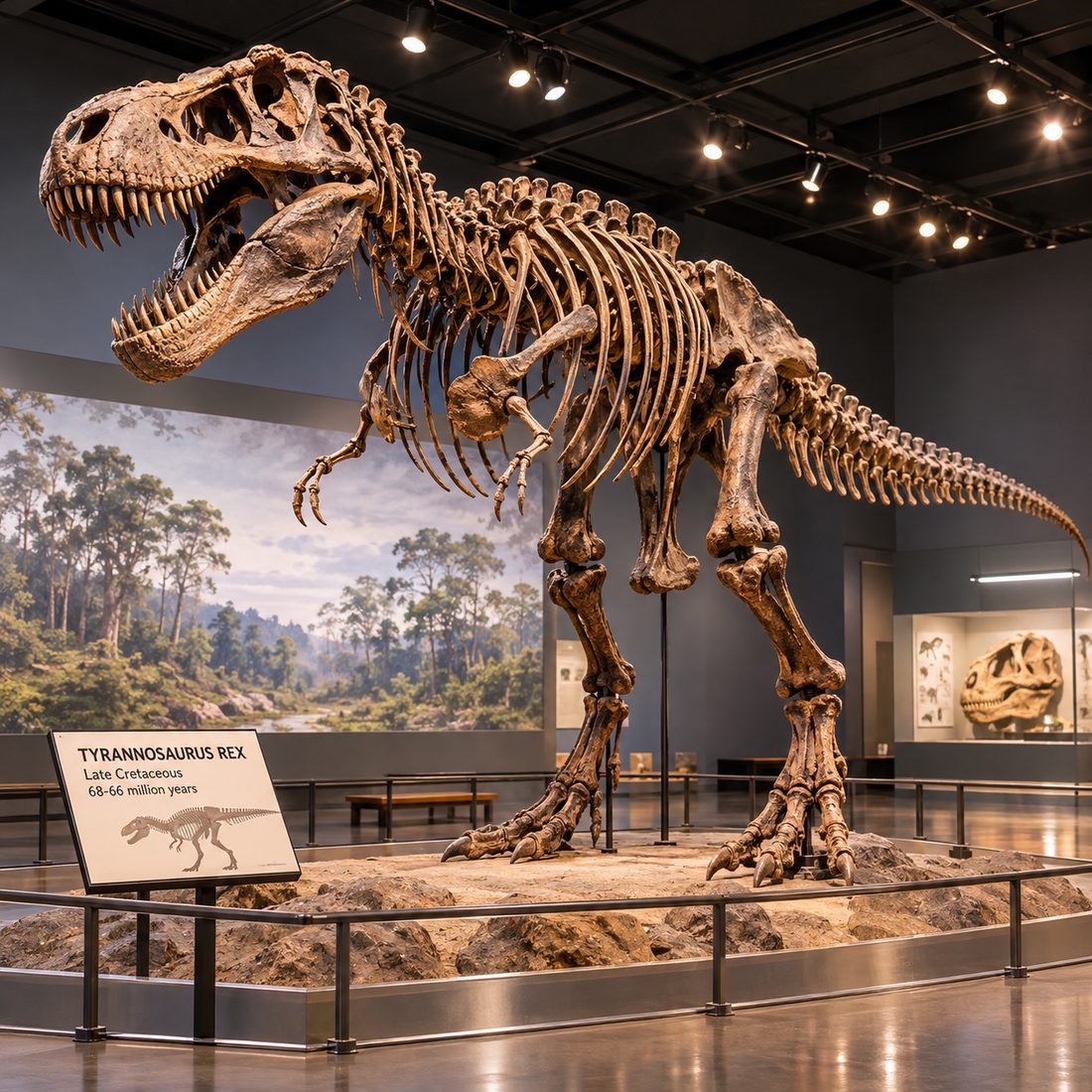 Museum label
A natural history hall with a complete T rex skeleton and a wall label with readable scientific text.
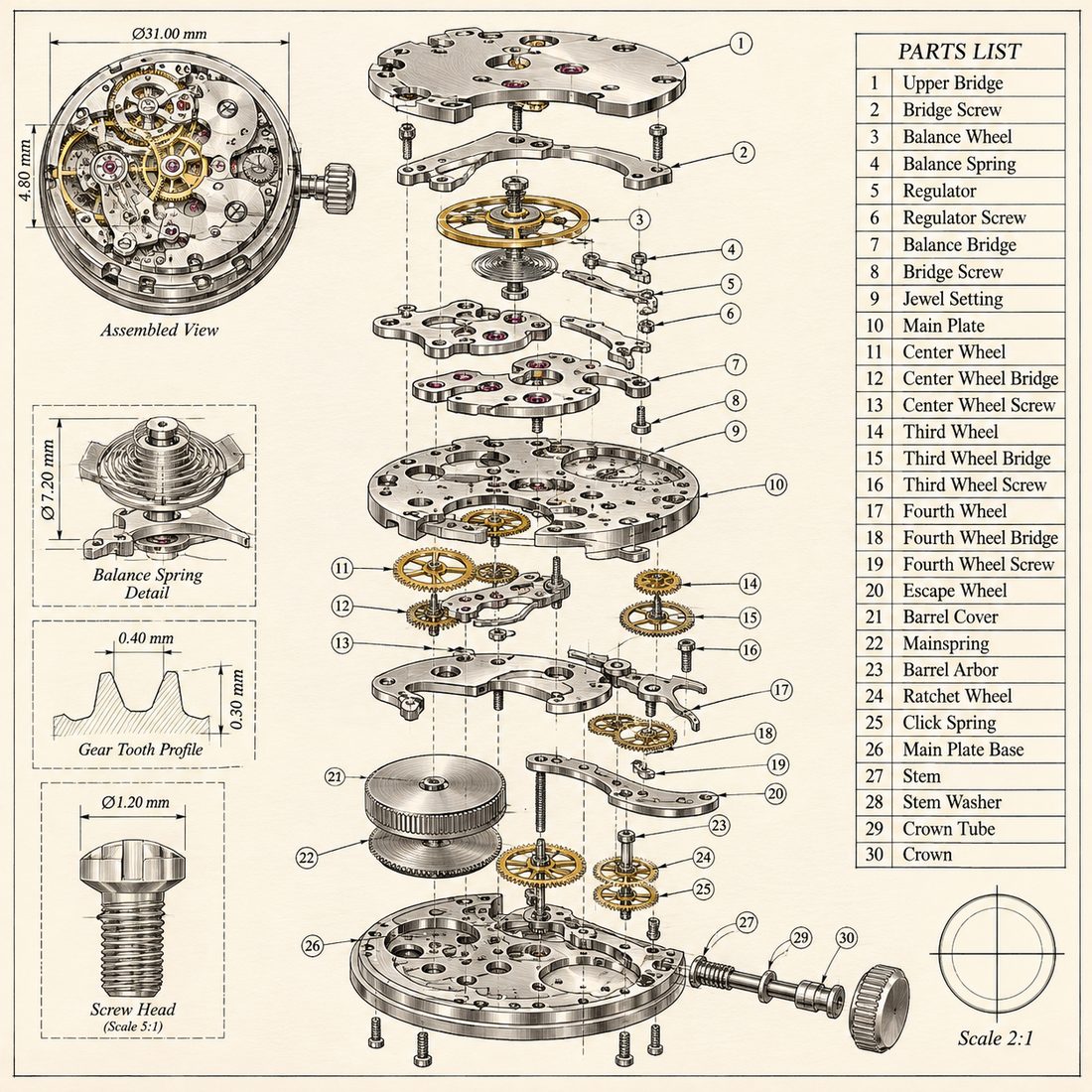 Watch movement, thirty parts
A technical cutaway of a wristwatch movement with thirty numbered parts and a legible legend, blueprint style.
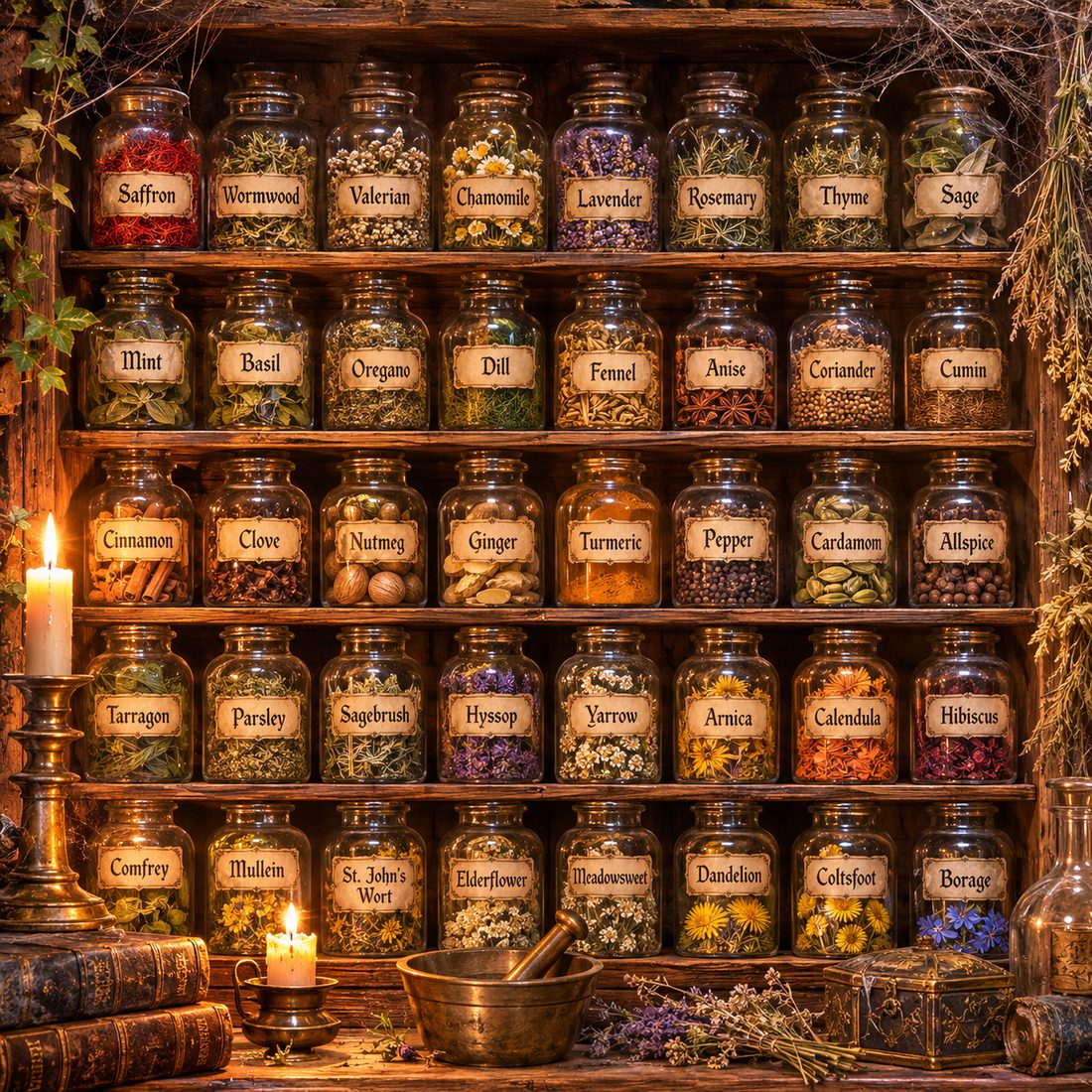 Apothecary shelf
Forty labeled jars on a medieval apothecary shelf, every label legible, candlelight and dust.
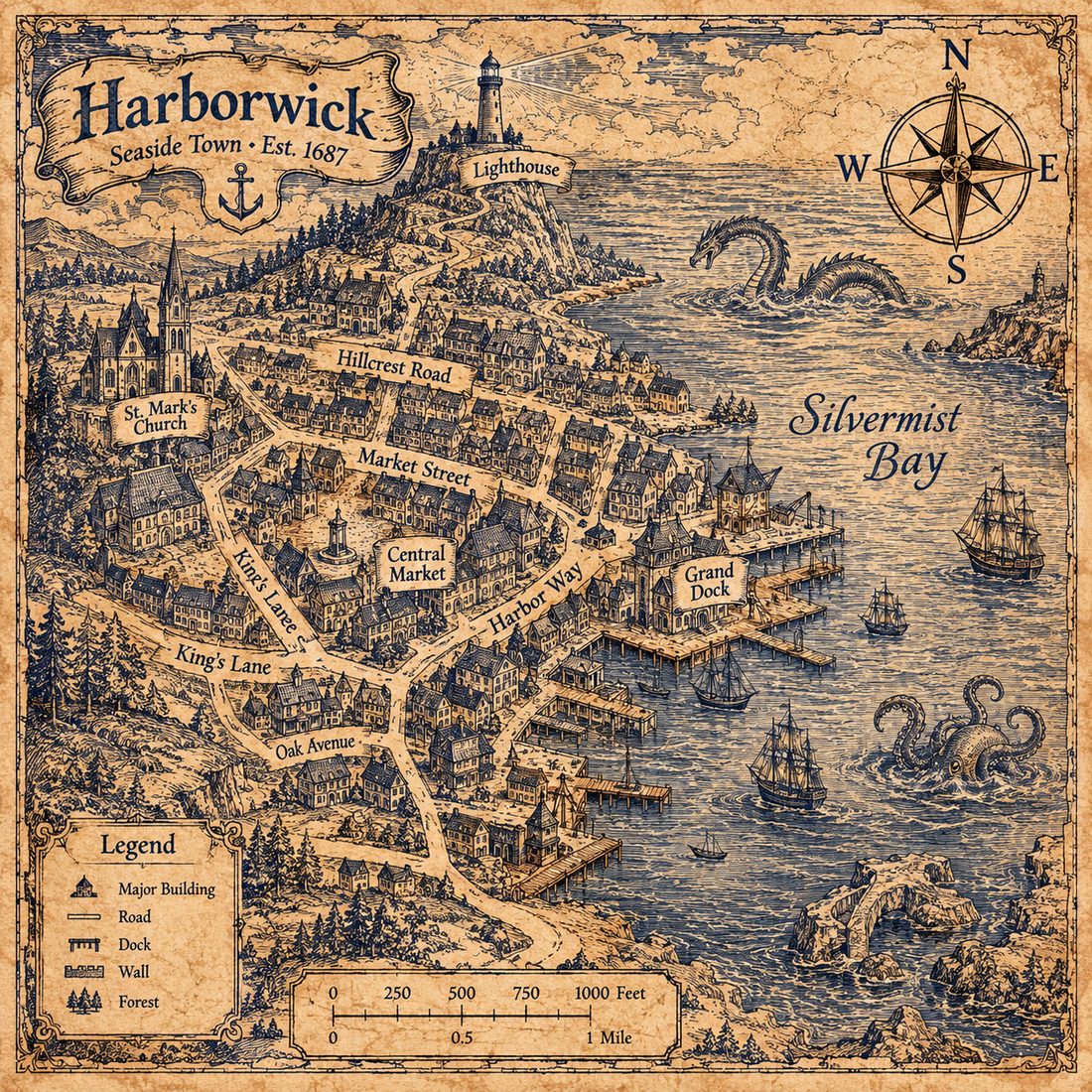 Harbor town map
A hand drawn map of a fictional harbor town, sepia and indigo ink, named streets, aged paper.
Where Nano Banana Pro Fits in the Lineup
Nano Banana Pro is the heavyweight of the four models in our editor. A quick comparison before you choose.
Nano Banana Pro —From 8 Credits
Google's Gemini 3 Pro Image: 64K context, 8-image composition, search grounding, accurate small text. 8 credits at 1K and 2K, 14 at 4K. Text-to-image and image-to-image.
Nano Banana 2.1 —From 3 Credits
The updated everyday model: 4K output, ultra-wide ratios, readable text, strong subject consistency. Best value when a brief fits in one prompt.
GPT Image 2.5 —From 3 Credits
OpenAI's model and the editor's default. Strong prompt following, in-image text, and the same 1K to 4K ladder at the same starting price.
GPT Image 2.6 —5 Credits, Flat
OpenAI's newest family. Generation and editing in one model with a flat per-image price, up to 16 reference photos per edit.
What Nano Banana Pro Does Best
Six capabilities that justify the higher price per image.
64K Context Window
Long, multi-step briefs survive intact: layout rules, material lists, tone notes, and constraints all fit in one prompt instead of being trimmed to fit.
8-Image Composition
Combine up to eight reference images into one coherent scene, which suits catalog work, mood boards, and product families that need a shared look.
Search-Grounded Accuracy
For real subjects and public knowledge, the model can ground its rendering in search rather than guessing, so landmarks, species, and products come out closer to the truth.
Legible small text
Labels, legends, and captions stay readable at small sizes, which is what technical diagrams, museum scenes, and infographics depend on.
Native 4K Output
Choose 1K, 2K, or 4K per generation. The 4K tier holds up in print and large-format design without a separate upscaling pass.
Editing Without Redraws
Upload a reference and describe the change. The model keeps subject, pose, and framing while it swaps backgrounds, materials, or lighting.
Nano Banana Pro Prompts —Copy & Generate
Prompts built for the jobs where detail carries the result: labelled diagrams, dense shelves, readable maps, and long structured briefs. Copy one or send it straight to the editor.
Museum Scene with Labels
in-image textA natural history museum hall with a complete T rex skeleton, a small wall label beside it reading "TYRANNOSAURUS REX / Late Cretaceous / 68-66 million years", accurate anatomy, gallery spotlights, readable small print.
Technical Cutaway
30 partsA technical cutaway illustration of a mechanical wristwatch movement with thirty numbered parts and a legible legend, blueprint aesthetic on ivory paper, precise line work, exploded view, engineering drawing style.
Dense Product Shelf
40 labelsA densely packed medieval apothecary shelf with forty glass jars, every label legible with herb names like saffron, wormwood and valerian, candlelight, dust, cobwebs in the corners, painterly realism.
Illustrated Map
cartographyA hand drawn map of a fictional harbor town, sepia and indigo ink, streets named and labelled, illustrated landmarks, compass rose, sea monsters in the bay, aged paper texture, cartography.
Long Brief, One Prompt
64K contextA four-panel product story for a matte ceramic coffee set: panel one the set on a plaster pedestal in morning light, panel two a close macro of the glaze texture, panel three the set in use on a walnut table, panel four a flat lay with the grinder and beans. Keep the same ceramic tone and soft daylight across all four panels, generous negative space in each, no text.
Eight References, One Scene
compositionCombine the eight uploaded product photos into one clean group shot on a light grey seamless background, matching soft studio light and consistent scale across every item, gentle contact shadows, catalog quality.