
GPT Image 2.5 —4K AI Image Generation & Editing
Generate and edit images with GPT Image 2.5: native 4K output, edits guided by up to 16 reference photos, transparent backgrounds, and widescreen ratios up to 21:9. From 3 credits in our AI image editor.
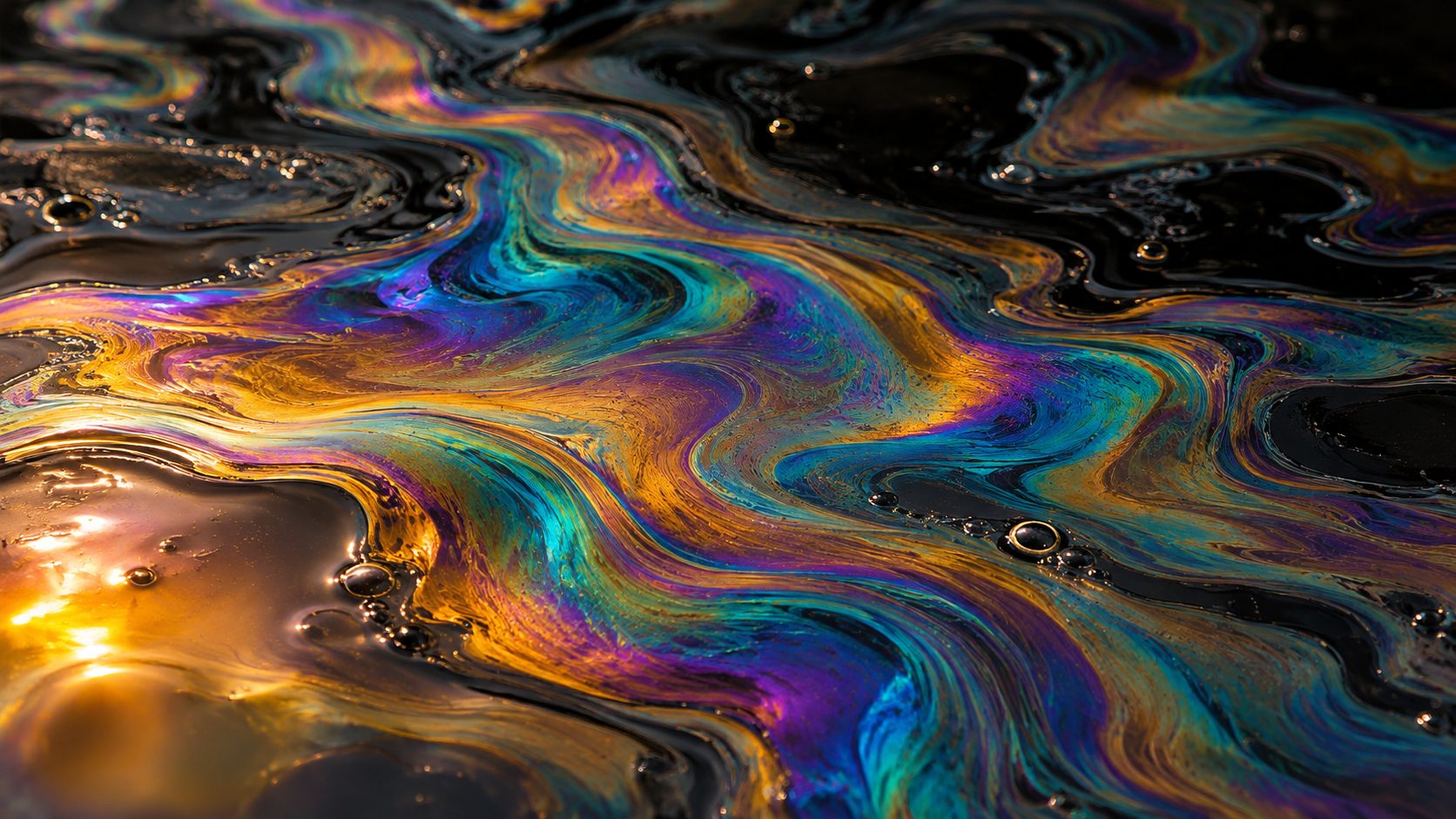
GPT Image 2.5 Gallery —What It Makes
GPT Image 2.5 handles both generation and editing at 3 to 16 credits per image. Every card below is a real output from one prompt: an espresso cup on a mirror, a watchmaker bench turned miniature city, a ceramicist portrait, and a robot sticker sheet. Each card carries the prompt that made it.
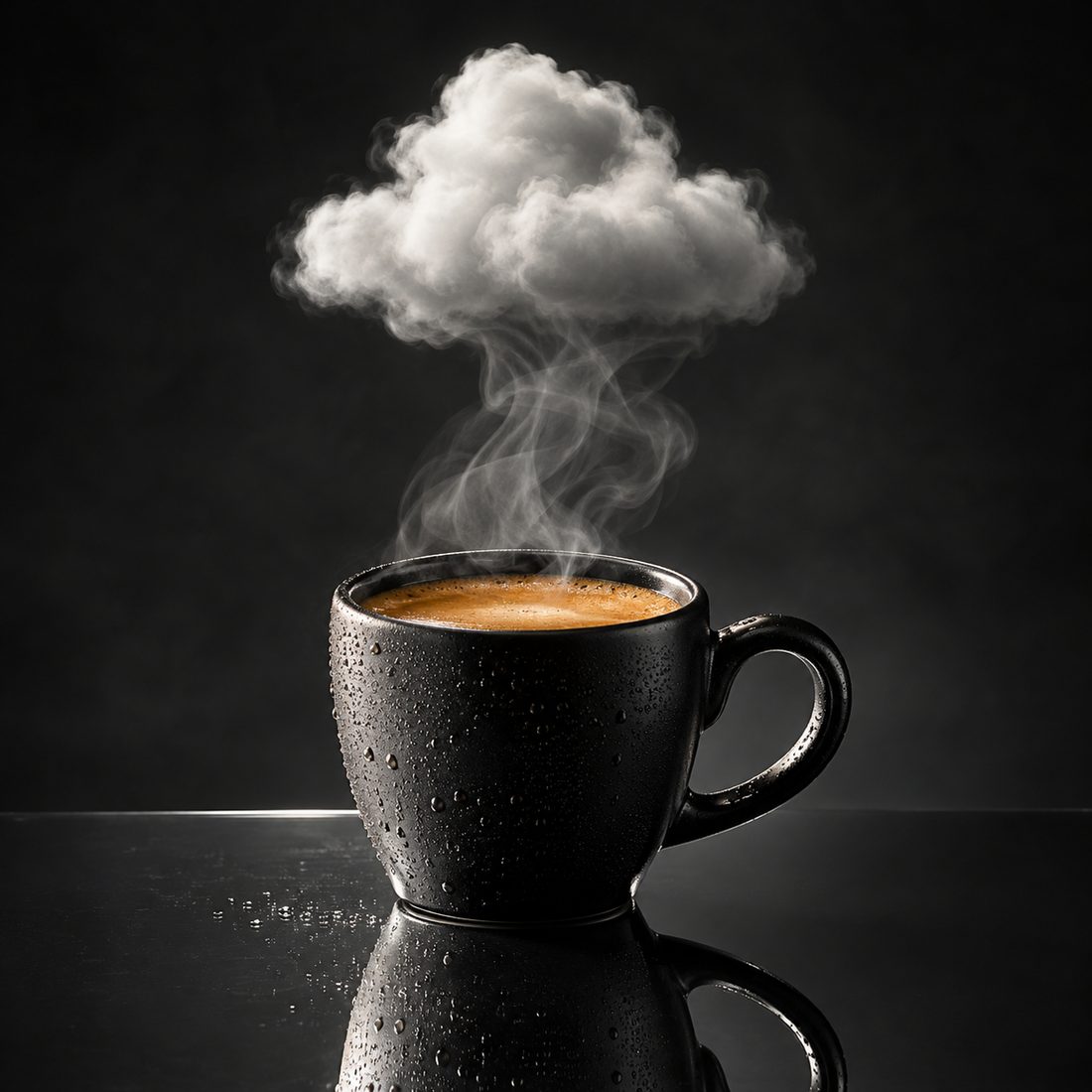 Espresso cloud
Editorial product shot of a matte black espresso cup on a mirror, steam rising into one perfect cloud, single hard side light.
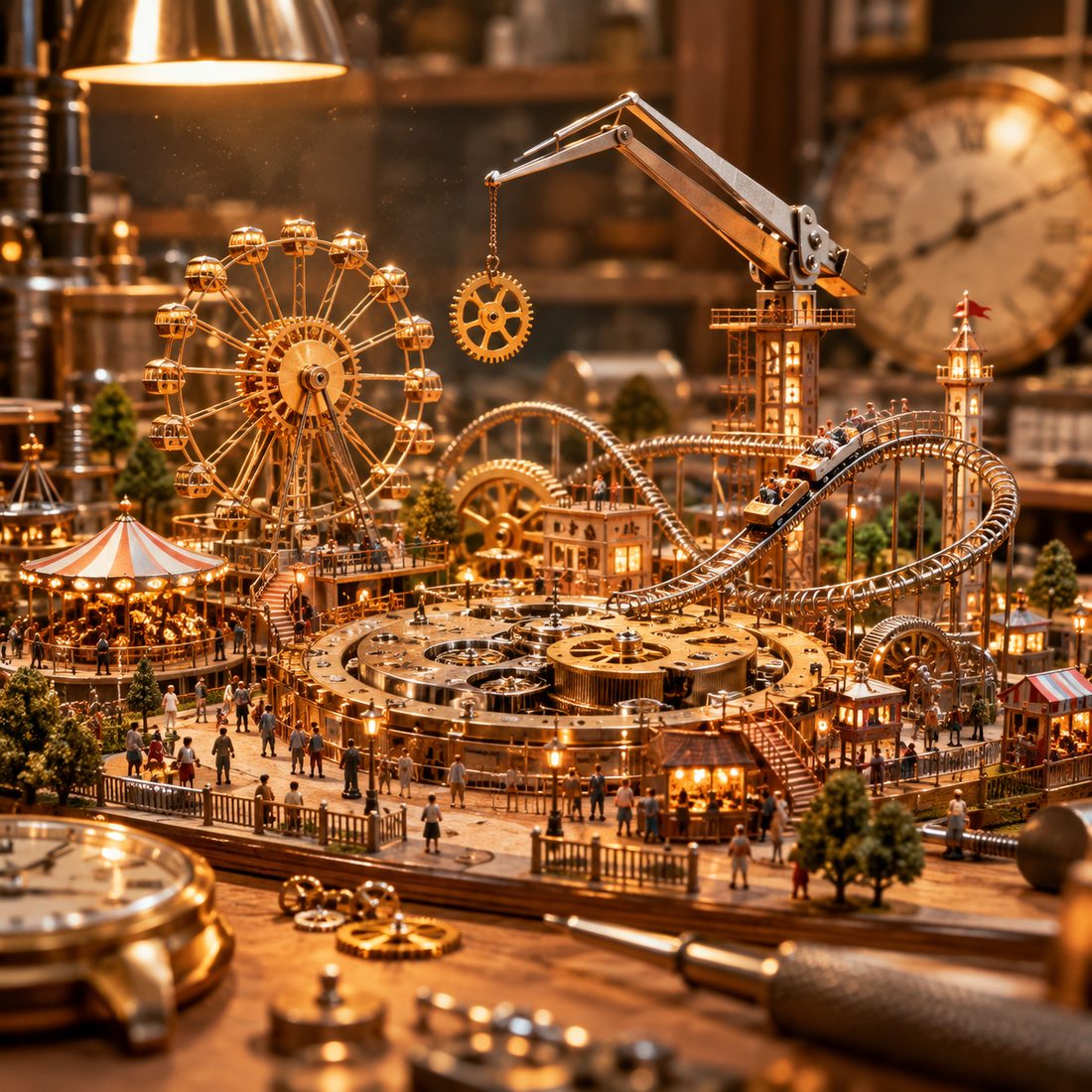 Watchmaker city
A watchmaker workbench as a miniature city: gears become ferris wheels, tweezers rise as cranes, tilt shift macro.
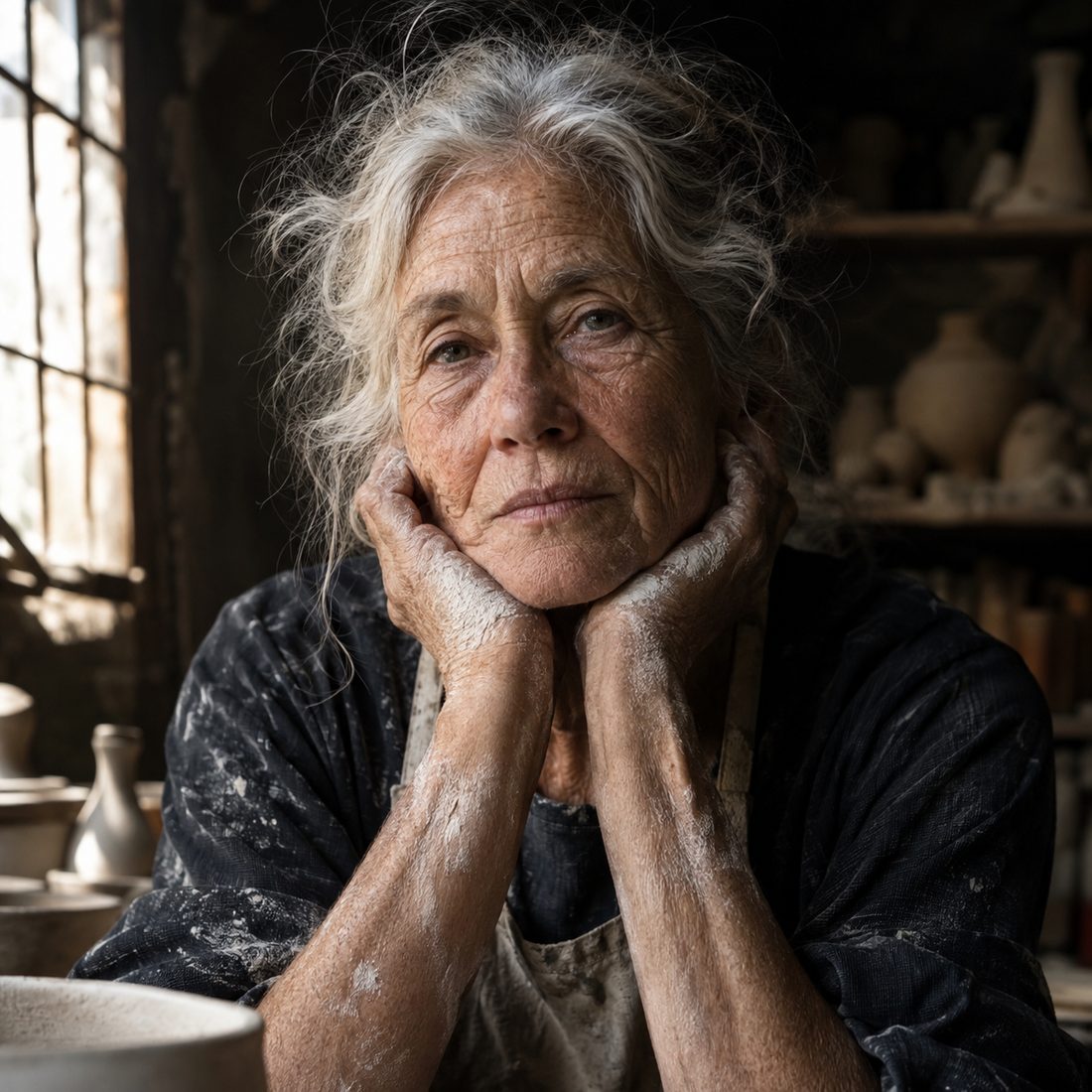 The ceramicist
Portrait of an elderly ceramicist with clay dusted hands, one hard window light, honest skin texture, 85mm.
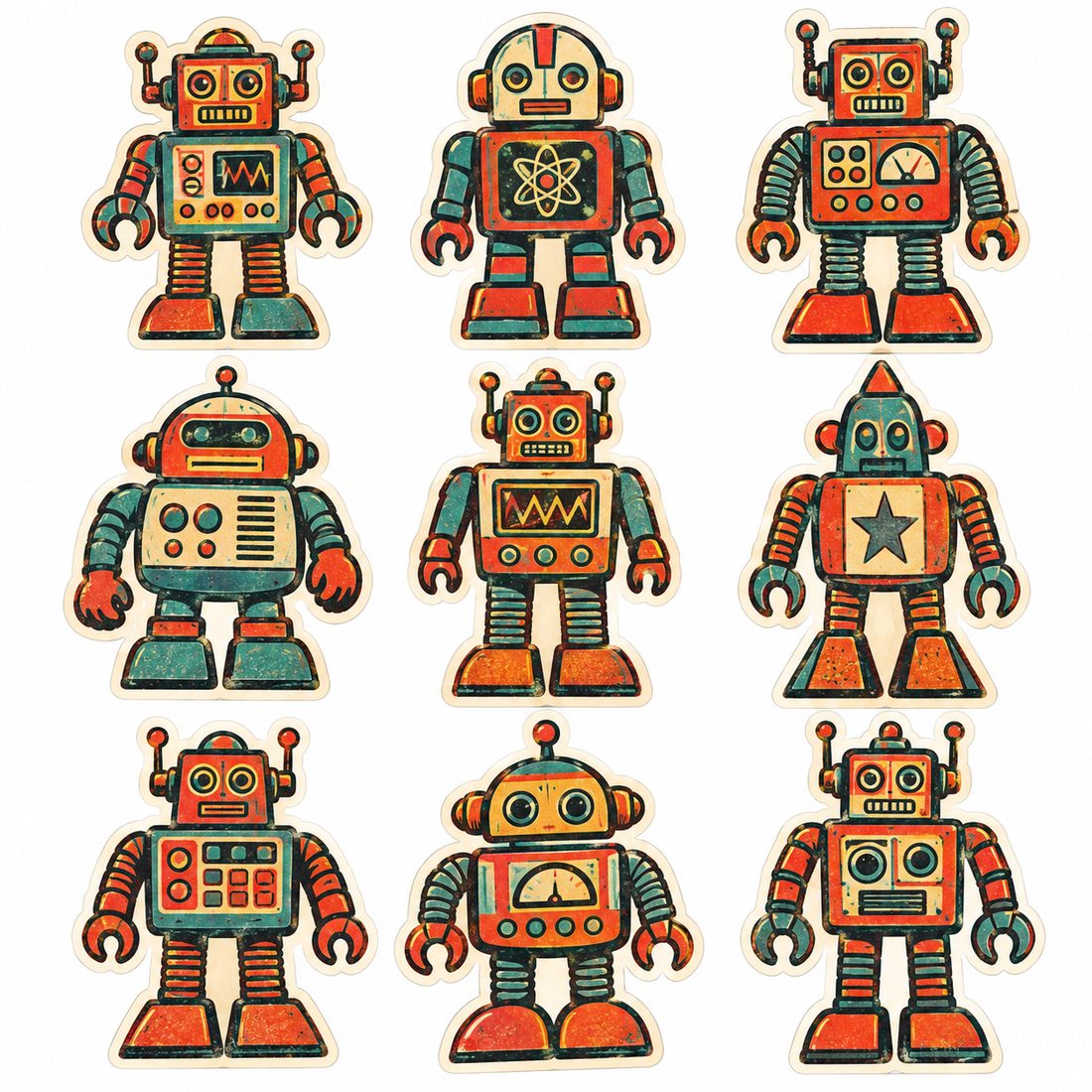 Robot sticker sheet
Sticker sheet of nine die cut retro robots, bold outlines, flat 1970s palette, slight misregistration.
Where GPT Image 2.5 Fits in the Lineup
GPT Image 2.5 is the value pick: it starts at 3 credits and climbs to 4K at 16, which makes it the cheapest route to high resolution. GPT Image 2.6 costs a flat 5 and adds animated GIF output. Nano Banana 2.1 matches the entry price; Pro handles briefs with 8-image composition and dense text.
GPT Image 2.5 —From 3 Credits, Our Default
OpenAI's September 2026 model and the editor's default. Native 4K tier, editing from up to 16 reference photos, transparent-background output, and ratios up to 21:9. Text-to-image and image-to-image in one model.
GPT Image 2.6 —5 Credits, Flat
OpenAI's newest family, added November 2026. Generation and editing in one model with a flat per-image price. See the GPT Image 2.6 page for what it changes.
Nano Banana 2.1 —From 3 Credits
Google's updated Nano Banana 2.1: 4K output, extreme panoramas, and consistent characters across a series. Pick it when you need ratios GPT models don't offer.
Nano Banana Pro —From 8 Credits
For heavy professional briefs: a 64K context window, 8-image composition, and search-grounded accuracy on factual subjects.
What GPT Image 2.5 Does Best
GPT Image 2.5 does its best work on the 2K and 4K tiers, where its detail holds up in print: difficult materials like glass and hair, edits from up to 16 reference photos, transparent cutouts, and thirteen aspect ratios up to 21:9. A 20,000-character prompt window takes full art direction.
Native 4K Output
Choose 1K, 2K, or 4K per generation. The 4K tier holds up in print and large-format design without upscaling.
Edits That Follow Your Photo
Upload up to 16 reference images and describe the change. GPT Image 2.5 keeps your subject and composition while it swaps the background or restyles the whole scene.
Transparent-Background Cutouts
Ask for a transparent background in your prompt and GPT Image 2.5 returns a clean cutout with real alpha —ready for stickers, product listings, and overlays without manual masking.
Widescreen Up to 21:9
Thirteen aspect ratios, from square to cinematic 21:9. Banners, thumbnails, and phone wallpapers come out at the right shape, no cropping.
Steadier Detail on Hard Subjects
Difficult material like glass, hair, and skin under mixed light comes out cleaner than on budget models, which matters most at 2K and 4K.
Long Prompts, Understood
The prompt window accepts up to 20,000 characters, which is enough for detailed art direction and exact layout instructions instead of keyword fragments.
GPT Image 2.5 Prompts —Copy & Generate
Prompts for GPT Image 2.5 should state the subject, the light, and the finish you want, because the model follows long direction closely. The prompts below each pair a concrete subject with an explicit look, from 4K product shots to die-cut stickers; copy any of them into the editor.
4K Product Hero
4KLuxury skincare bottle standing on wet slate, water droplets on the glass, dramatic side lighting, deep black background with a soft gradient, commercial product photography, hyper-detailed reflections, 4K resolution.
Cutout on Transparent
transparentProduct cutout on a transparent background: a matte ceramic mug in sage green, studio light from the upper left, crisp edges, no background elements, e-commerce ready.
Cinematic 21:9 Key Art
21:9Movie key art in 21:9: a lone lighthouse against a storm front, warm window light as the only counterpoint, painterly clouds, muted teal and amber grade, composition with the title area left empty.
Photo Restyle
image-to-imageKeep the person and pose exactly as in the reference photo, restyle the scene into a 1970s film still: warm halation, grain, faded kodachrome palette, period-correct clothing.
Editorial Portrait 2K
2KEditorial portrait of a ceramicist in her studio, hands dusted with clay, one hard window light, deep shadow falloff, honest skin texture, 85mm look, 2K.
Sticker Pack
transparentDie-cut sticker of a happy red camping kettle with a smiling face, bold outlines, flat colors, white border, transparent background, sticker-sheet style.
Typography Poster
in-image textSwiss-style typographic poster with the headline LESS, BUT BETTER in bold Helvetica, generous white space, one small red geometric accent, precise kerning, museum print quality.
Interior Visualisation 4K
4KMinimalist villa interior with floor-to-ceiling windows, warm afternoon sun casting geometric shadows, travertine walls, an olive tree in the courtyard behind the glass, architectural photography, 4K, ultra-sharp.